
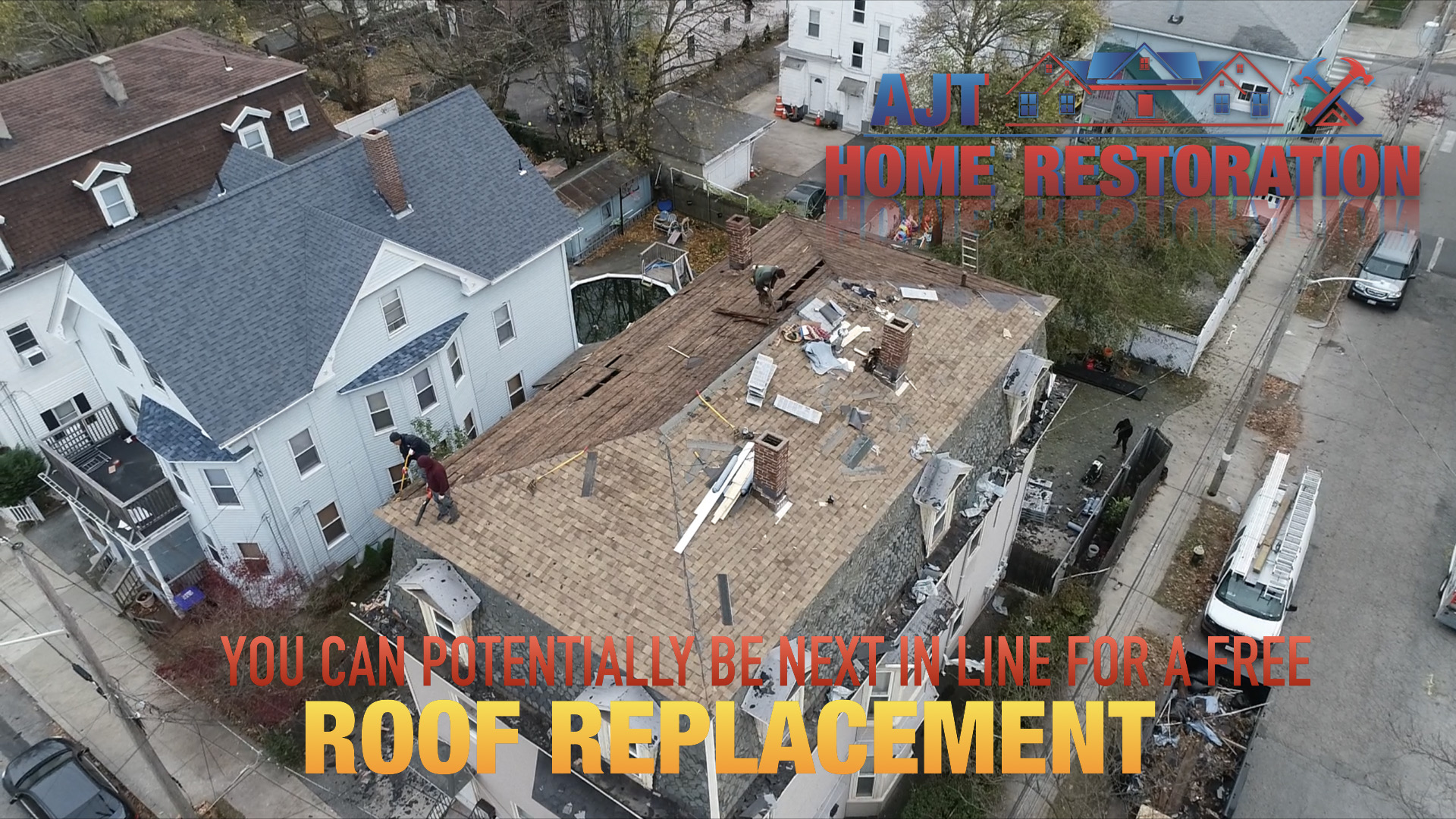
The quality, color, and texture of your roof shingles play a major role in your home’s curb appeal. But what lies beneath the shingles is just as important for keeping your family safe and dry during severe weather.
Complete Quality Roofing Systems
A quality roofing system is more than just shingles. It includes the decking (wood sheathing), ice and water membrane, underlayment felt, flashing, drip edge, vents, and fasteners. Every component must be installed correctly and in the proper sequence to withstand snow, ice, rain, and high winds while achieving maximum lifespan.
Start with Sound Decking
Roof decking is typically 15/32-inch plywood or composite panels installed horizontally with staggered joints, expansion gaps, and precise nailing to resist uplift from high winds. While new shingles can sometimes be installed over old ones, AJT Home Restoration recommends tearing off old shingles and underlayment to inspect the wood sheathing. Individual panels can be replaced if damage is minor, or the entire deck may need replacement if damage is severe. Starting with solid decking ensures a smooth surface, secure shingle attachment, and structural strength during storms.
Aluminum Drip Edge Protects the Perimeter
The drip edge is an L-shaped flashing installed along the entire roof perimeter. It extends slightly beyond the fascia boards so water falls freely rather than running down the fascia. Drip edge should be nailed directly to the wood sheathing along the eaves and over roofing felt and ice and water membrane along gables.
Ice and Water Membrane: Your Leak Insurance
This self-adhesive, rubberized roll material is installed over the drip edge at eaves and at least 24 inches beyond the interior plane of exterior walls in heated rooms, especially in cold climates. It’s also used to seal valleys where water converges and on low-slope roofs. The membrane is a home’s most critical line of defense against leaks caused by ice dams and wind-driven rain.
Roof Underlayment for Moisture Management
Asphalt-impregnated, fiberglass-reinforced felt is installed in overlapping horizontal strips from the eaves to the ridge after the ice and water membrane. While the ice and water membrane protects critical areas, underlayment keeps running water off the decking, providing an additional layer of protection against moisture from snowmelt or ice dams.
New Vents, Boots, and Flashing
Old vents, pipe boots, and step flashing are common sources of roof leaks. Clogged roof vent screens reduce attic ventilation, affecting the roof’s performance. New vents, boots, and flashing must be installed to shed water properly over the shingles. At AJT Home Restoration, we never reuse old vents or flashing, ensuring your roof is fully protected.
Shingle Nailing: Pressure and Placement Matter
Nails that secure shingles are mostly hidden beneath overlapping shingles. Manufacturers specify the number and placement of nails. Proper nail depth is critical—pneumatic nail guns are adjusted to drive nails flush without tearing the shingle surface, ensuring maximum holding power.
Why Choose AJT Home Restoration
As an experienced roofing contractor, AJT Home Restoration is trusted to do the job right using the best materials and backed by industry-leading warranties.
Need a roof? Schedule your free, zero-pressure consultation today.
If you suspect hail or wind damage to your roof, learn more about hail damage and request your free, no-obligation estimate here.